

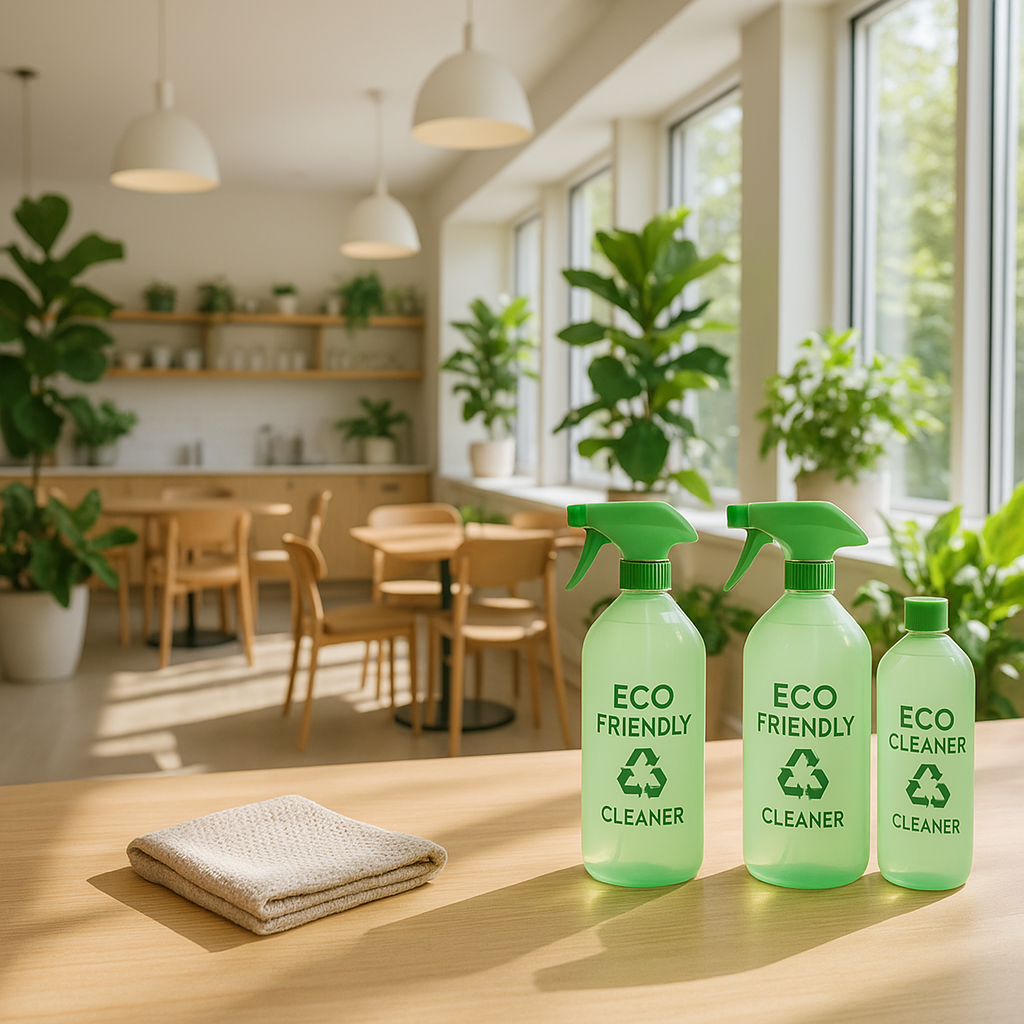
Discover how switching to eco-friendly cleaning chemicals can transform your hospitality workspace into a healthier, more sustainable environment while maintaining exceptional hygiene standards.
Why Eco-Friendly Cleaning Chemicals Matter in Hospitality
The hospitality and food service industries face unique cleaning challenges—high-traffic areas, stringent food safety regulations, and the need to protect both staff and guests. Traditional cleaning chemicals, while effective, often contain harsh ingredients that can compromise indoor air quality, irritate skin, and contribute to environmental pollution. For facilities managers, operations managers, and hospitality owners, the choice of cleaning products directly impacts workplace health, regulatory compliance, and your brand's environmental reputation.
Eco-friendly cleaning chemicals offer a powerful alternative that doesn't compromise on performance. These formulations use biodegradable ingredients, reduced volatile organic compounds (VOCs), and sustainable manufacturing processes to deliver the same cleaning power without the environmental and health drawbacks. With growing consumer awareness about sustainability, guests and customers increasingly expect businesses to demonstrate genuine environmental responsibility—and your cleaning practices are a visible part of that commitment.
Switching to green cleaning solutions also addresses practical business concerns. Reduced chemical exposure means fewer workplace health incidents and lower risk of regulatory violations related to workplace safety and chemical handling. For hospitality businesses in regional areas like Ballarat and Country Victoria, partnering with a local supplier who understands both your cleaning needs and sustainability goals makes the transition seamless and cost-effective.
Understanding Green Cleaning Chemical Certifications and Standards
Navigating the world of eco-friendly cleaning chemicals requires understanding the certifications and standards that separate genuine green products from greenwashing. Several reputable third-party certifications provide assurance that products meet rigorous environmental and safety criteria. Good Environmental Choice Australia (GECA) certification, for example, evaluates products across their entire lifecycle—from raw material sourcing through manufacturing, use, and disposal. Products bearing the GECA label have demonstrated reduced environmental impact while maintaining cleaning efficacy.
Other important certifications include Green Seal, which sets science-based environmental standards, and EcoLogo, which assesses products for reduced environmental impact. For food service and hospitality applications, look for products that are also food-safe certified, ensuring they can be used in kitchen and food preparation areas without contamination risks. These certifications take the guesswork out of product selection, providing procurement managers and facilities teams with confidence that their choices meet both environmental and operational requirements.
Beyond certifications, understanding ingredient transparency is crucial. Reputable eco-friendly cleaning chemical manufacturers disclose full ingredient lists, allowing you to verify the absence of harmful substances like phosphates, chlorine bleach, artificial fragrances, and non-biodegradable surfactants. When sourcing cleaning supplies, work with knowledgeable suppliers who can explain product formulations, provide safety data sheets, and help match products to your specific cleaning applications—from kitchen sanitisation to washroom maintenance.
Key Benefits of Switching to Sustainable Cleaning Solutions
The benefits of eco-friendly cleaning chemicals extend far beyond environmental responsibility. Improved indoor air quality is one of the most immediate advantages. Traditional cleaning products release VOCs that can linger in enclosed spaces, causing headaches, respiratory irritation, and reduced productivity among staff. Green cleaning formulations with low or zero VOC content create healthier work environments, particularly important in kitchens, dining areas, and accommodation facilities where air quality directly affects comfort and wellbeing.
From a financial perspective, sustainable cleaning solutions often deliver cost savings through concentrated formulations, reduced product waste, and lower disposal costs. Many eco-friendly products come in concentrated formats that reduce packaging waste and shipping costs while providing excellent value per diluted litre. Chemical dispensing systems ensure accurate dilution ratios, eliminating product waste from over-use. For businesses managing tight margins—from cafe owners to cleaning service contractors—these efficiencies translate to real bottom-line benefits without sacrificing cleaning performance.
Regulatory compliance and risk management represent another significant advantage. Eco-friendly cleaning chemicals typically have lower hazard classifications, reducing requirements for specialised storage, handling procedures, and personal protective equipment. This simplifies compliance with workplace health and safety regulations while reducing liability risks. For hospitality businesses seeking to differentiate their brand, documented use of certified green cleaning products provides tangible proof of environmental commitment—a powerful marketing asset when guests and corporate clients evaluate accommodation and venue options.
Staff safety and satisfaction also improve with green cleaning products. Reduced exposure to harsh chemicals means less skin irritation, fewer respiratory complaints, and lower incidence of chemical burns or accidents. This creates a more positive work environment and can contribute to improved staff retention—particularly valuable in industries facing workforce challenges. When your cleaning team feels confident about the safety of the products they use daily, productivity and job satisfaction naturally increase.
Choosing the Right Eco-Friendly Products for Your Facility
Selecting appropriate eco-friendly cleaning chemicals requires matching product capabilities to your specific facility needs. Different areas within hospitality and food service operations demand different cleaning approaches. Kitchen and food preparation areas require food-safe sanitisers that meet HACCP requirements while being gentle on staff and surfaces. Dining areas need products that clean effectively without leaving chemical residues or strong odours that could affect the dining experience. Washroom and accommodation areas benefit from disinfectants that control bacteria and viruses while being safer for cleaning staff who handle these products multiple times daily.
Start by auditing your current cleaning chemical inventory and identifying the functions each product serves—degreasers for kitchen surfaces, glass cleaners for windows and mirrors, floor cleaners for various surface types, sanitisers for food contact surfaces, and disinfectants for washrooms. For each category, research eco-friendly alternatives that maintain or improve cleaning performance while meeting environmental criteria. Look for products with appropriate certifications, biodegradable formulations, and proven efficacy against the soils and pathogens relevant to your industry.
Consider the total cost of ownership, not just the upfront product price. Concentrated formulations may have higher initial costs but deliver more diluted product and reduce packaging waste. Chemical dispensing systems represent an investment that pays dividends through accurate dilution, reduced waste, and simplified staff training. Factor in reduced PPE requirements, simplified safety training, and lower disposal costs when evaluating the financial impact of switching to green cleaning chemicals.
Working with a knowledgeable local supplier simplifies product selection significantly. At DEJ's, our team understands the unique challenges facing hospitality, food service, and facilities management professionals across Ballarat and regional Victoria. We can recommend products matched to your specific applications, provide training on proper dilution and use, and source specialised items when standard products don't meet your requirements. Our extensive range of commercial cleaning supplies includes eco-friendly options across all categories, backed by expert guidance and reliable local delivery.
Making the Transition: Practical Steps for Implementation
Transitioning to eco-friendly cleaning chemicals doesn't require a complete overnight overhaul. A phased approach allows your team to adapt to new products while maintaining cleaning standards throughout the transition. Begin by identifying quick wins—products that are easy to replace and have minimal impact on existing procedures. Glass cleaners, general-purpose cleaners, and floor care products are often good starting points, as eco-friendly versions perform comparably to traditional products with minimal adjustment needed.
Develop a transition timeline that prioritises areas based on impact and ease of implementation. Focus first on high-use areas where improved safety and air quality will have the greatest effect on staff wellbeing. Kitchen and food preparation areas are ideal early targets, as food-safe eco-friendly sanitisers deliver cleaning performance while reducing chemical exposure for kitchen staff. Gradually expand to washrooms, public areas, and specialised applications as your team gains confidence with the new products.
Staff training is critical to successful implementation. Even the best eco-friendly cleaning chemicals won't deliver results if used incorrectly. Provide comprehensive training on proper dilution ratios, contact times, application techniques, and safety procedures. Many eco-friendly products work differently than traditional chemicals—for example, enzymatic cleaners may require longer dwell times to break down organic soils effectively. Invest time in hands-on training and provide clear, accessible reference materials for each product. Consider working with your supplier to deliver training sessions that cover both product use and the environmental and safety benefits of the switch.
Monitor results closely during the transition period. Establish clear cleaning standards and regularly assess whether eco-friendly products are meeting those standards. Gather feedback from cleaning staff about product performance, ease of use, and any challenges they encounter. Address issues promptly—whether through additional training, product adjustments, or technique modifications. Document successful practices and share them across your team to build confidence and consistency.
Leverage your sustainability commitment as a marketing advantage. Once you've successfully transitioned to eco-friendly cleaning chemicals, communicate this achievement to guests, customers, and stakeholders. Include information about your green cleaning practices in marketing materials, on your website, and in facility signage. For accommodation providers, highlighting eco-friendly cleaning practices can attract environmentally conscious guests and support premium positioning. For catering and food service operators, it demonstrates commitment to both food safety and environmental responsibility—values that resonate strongly with today's customers.
Maintain an ongoing relationship with your cleaning chemical supplier to ensure continuous improvement. Product formulations evolve, new certifications emerge, and your facility needs may change over time. Regular communication with suppliers like DEJ's ensures you stay informed about product innovations, can source new items as needed, and receive responsive support when challenges arise. Our team is committed to long-term partnerships with hospitality and facilities management clients throughout regional Victoria, providing the expertise and product range needed to maintain exceptional cleaning standards while advancing your sustainability goals.